A symbol of life can express ideas that are difficult to put into words. Across history, people have used plants, animals, objects, and shapes to represent life, growth, renewal, strength, and connection. Some life symbols come from specific cultures, while others have gained broader meanings over time.
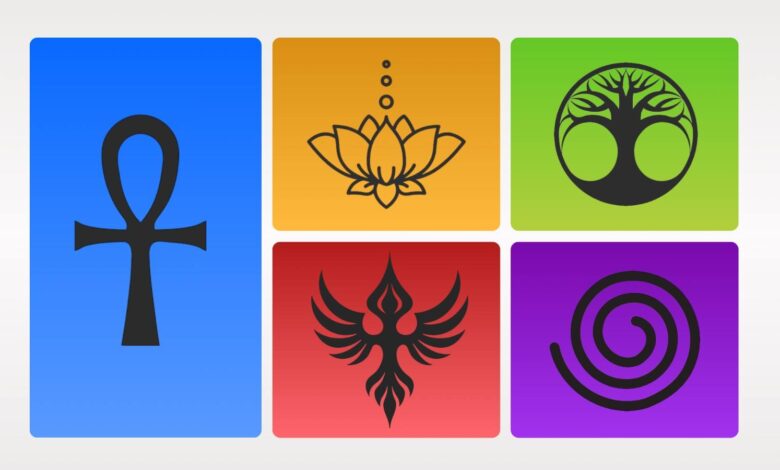
In this guide, you will discover five powerful symbols of life: the Ankh, Tree of Life, Phoenix, Lotus Flower, and Spiral. Their meanings are not identical, and their historical backgrounds matter. Understanding that context makes their symbolism much more meaningful.
What Is a Symbol of Life?
A symbol of life is an image or object that represents an idea connected with living, growing, creating, renewing, or continuing. The meaning can come from religion, mythology, nature, art, or cultural tradition. For example, a tree naturally suggests growth because it develops roots, branches, leaves, and new growth over time.
Not every life symbol has one fixed meaning. A symbol can mean something different in another culture or historical period. That is why symbolism of life is best understood through context rather than a simple one-word definition. A symbol representing life might also express rebirth, fertility, spiritual development, family, or the cycle of existence.
5 Most Powerful Symbols of Life
The five symbols in this article stand out because they connect life with ideas such as growth, renewal, transformation, continuity, and resilience. Some have ancient origins, while others became especially popular through mythology and modern culture.
| Life symbol | Main association | Common modern meaning |
|---|---|---|
| Ankh | Life and vitality | Life, existence, eternity |
| Tree of Life | Growth and connection | Family, strength, belonging |
| Phoenix | Renewal | Rebirth, resilience, new beginnings |
| Lotus Flower | Renewal and spiritual growth | Transformation, perseverance |
| Spiral | Cycles and movement | Growth, change, life’s journey |
These meanings should not be treated as universal rules. The Ankh, for instance, has a specific historical connection to ancient Egyptian culture, while the Tree of Life appears in several different traditions. The value of these symbols of life comes partly from understanding where their meanings came from.
1. The Ankh — The Egyptian Symbol of Life
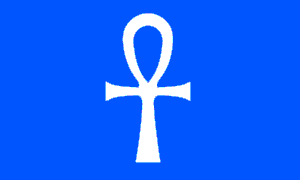
☥ The Ankh is one of the most recognizable ancient Egyptian symbols of life. It has a cross-like shape with a loop at the top and appears frequently in ancient Egyptian art. Museum records identify the Ankh directly with the concept of life, including its use in objects connected with hopes for life after death. (British Museum)
Its importance was not limited to decoration. Egyptian gods and rulers are often shown holding or presenting the Ankh. British Museum examples describe the Ankh as expressing life and show it being offered to a king as a gift of life. (British Museum) Today, people often interpret the Ankh as representing life, vitality, eternity, and continued existence, although modern interpretations should not be confused with every ancient Egyptian belief.
2. The Tree of Life — Growth and Connection

🌳The Tree of Life is one of the most familiar life symbols because its natural structure provides an easy metaphor for existence. Roots can represent origins and family history, the trunk can suggest strength and stability, and branches can represent growth, relationships, or different paths through life.
Its meaning is not identical everywhere. Different cultures and religious traditions have their own versions of a tree associated with life, knowledge, creation, or connection. In modern use, the Tree of Life is commonly associated with family, personal growth, interconnectedness, strength, and continuity. This makes it especially meaningful when someone wants a symbol representing both where they came from and where they are going.
3. The Phoenix — Rebirth and Renewal

🐦🔥The Phoenix is a legendary bird associated with renewal and rebirth. Its story has appeared in ancient traditions and later literature, although the details of the Phoenix vary across sources and periods. The central idea is the return or renewal of the bird, which made it a powerful image of overcoming an ending and beginning again.
That is why the Phoenix has become one of the strongest modern symbols of resilience and transformation. Someone who has experienced a major change may use the Phoenix as a reminder that an ending does not necessarily mean the end of growth. In this sense, it represents more than life itself; it represents the ability to start a new chapter.
Curious about another fascinating symbol and the story behind its meaning? Explore [Latest Article].
4. The Lotus Flower — Life, Growth, and Transformation
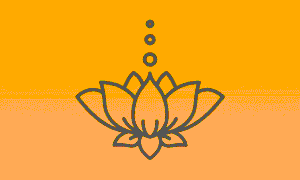
࿆ The lotus flower is a powerful example of how nature can shape symbolism. The plant grows in water and rises above the surface, creating an image that has long supported ideas of renewal and transformation. In ancient Egyptian symbolism, the lotus was associated with rebirth, renewed life, and everlasting life. (British Museum)
The lotus also has important symbolic roles in Asian religious and cultural traditions, although its exact meaning depends on the tradition. It can be connected with spiritual development, purity, awakening, and transformation. For modern readers, the flower often represents the idea of growing through difficult circumstances without being defined by them.
5. The Spiral — The Journey and Cycle of Life
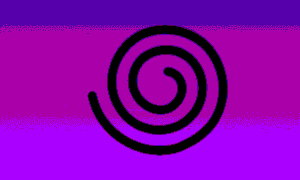
🌀The spiral is different from the Ankh or Phoenix because it is a simple geometric form rather than a specific mythological figure. Yet it can be a powerful symbol of life because spirals appear throughout nature, from shells and plants to weather patterns and astronomical forms. Their continuous movement naturally invites ideas about growth and change.
As a symbolic image, the spiral can represent the cycle of life, personal development, movement, and transformation. It can also suggest that growth is not always a straight line. You may return to familiar situations while experiencing them from a different stage of your life. That makes the spiral a useful metaphor for a journey that keeps moving forward.
What These Life Symbols Have in Common
Although these five life symbols come from different backgrounds, they share several broad themes. The Ankh focuses strongly on life itself, the Tree of Life emphasizes growth and connection, the Phoenix represents renewal, the Lotus suggests transformation, and the Spiral reflects cycles and movement.
| Symbol | Core idea | What it can represent today |
|---|---|---|
| Ankh | Life | Vitality and continued existence |
| Tree of Life | Growth | Family and connection |
| Phoenix | Rebirth | Resilience and new beginnings |
| Lotus | Transformation | Growth through challenges |
| Spiral | Cycles | Change and personal development |
The important point is that these similarities do not mean the symbols have the same origin. Symbolism of life develops within particular cultures and historical settings. Their modern meanings may overlap, but their original stories and uses can be very different.
Symbolism of Life Across Different Cultures
People have represented life in many ways because life itself is a universal human experience. Ancient Egyptian art used symbols such as the Ankh to communicate ideas about life, while other traditions used plants, trees, animals, celestial forms, or geometric patterns. Egyptian sources, for example, show that symbols could communicate specific ideas and were used in objects, art, and religious contexts. (British Museum)
This cultural context matters when interpreting symbols representing life. A modern website, tattoo design, piece of jewelry, or artwork may give a symbol a broader meaning than it had historically. That does not automatically make the modern interpretation wrong, but it is better to describe it honestly as a modern interpretation rather than claiming that every culture has always understood it in exactly the same way.
How to Choose a Life Symbol That Fits You
Choosing a symbol of life is ultimately personal. Start by thinking about the idea you want the symbol to communicate rather than choosing an image simply because it looks attractive. If you care most about family and connection, the Tree of Life may feel appropriate. If you want to represent a fresh beginning, the Phoenix may better match your intention.
Your choice can also depend on the cultural meaning you want to respect. The Ankh has a specific connection with ancient Egypt, while the Lotus has important meanings in several Asian traditions. Before using a symbol for a tattoo, artwork, jewelry, or personal keepsake, learn about its historical background and make sure the meaning you want is consistent with the tradition you are referencing.
Frequently Asked Questions About Life Symbols
What is the most common symbol of life?
There is no single symbol that is universally recognized as the symbol of life. The Ankh is one of the most recognizable historical examples because it was directly associated with life in ancient Egyptian writing and art. (British Museum)
What symbolizes life and growth?
The Tree of Life is commonly used to represent growth, connection, strength, and continuity. Its roots and branches create a natural visual metaphor for origins, development, and relationships.
What symbolizes rebirth and new beginnings?
The Phoenix is widely associated with rebirth, renewal, and starting again. Its legendary story makes it particularly strong as a symbol of transformation after an ending.
What does the Ankh symbolize?
The Ankh is an ancient Egyptian symbol of life. Museum collections describe it directly as representing life, and it appears in ancient Egyptian objects and scenes connected with life and the afterlife. (British Museum)
What flower symbolizes life?
The lotus flower is one important example. In ancient Egyptian symbolism, the lotus was associated with rebirth, renewed life, and everlasting life. Its symbolism also developed in other cultural and religious traditions. (British Museum)
What symbolizes the cycle of life?
The spiral can represent the cycle of life because its continuous form suggests movement, change, development, and recurring stages. Its meaning varies depending on the culture and context in which it is used.
Conclusion
The most meaningful symbols of life do more than represent existence. They can express growth, connection, renewal, transformation, and the continuing journey through life. The Ankh, Tree of Life, Phoenix, Lotus Flower, and Spiral each approach these ideas from a different direction.
There is no single correct choice for everyone. The best symbol of life depends on the meaning you want to carry with it and the cultural history you want to respect. When you understand both the original symbolism and the modern interpretation, these images become much more than attractive designs—they become meaningful visual reminders of life and its many stages.
Curious about more texting slang you might be missing? Check out our [akeem definition] to stay on top of the latest trends.